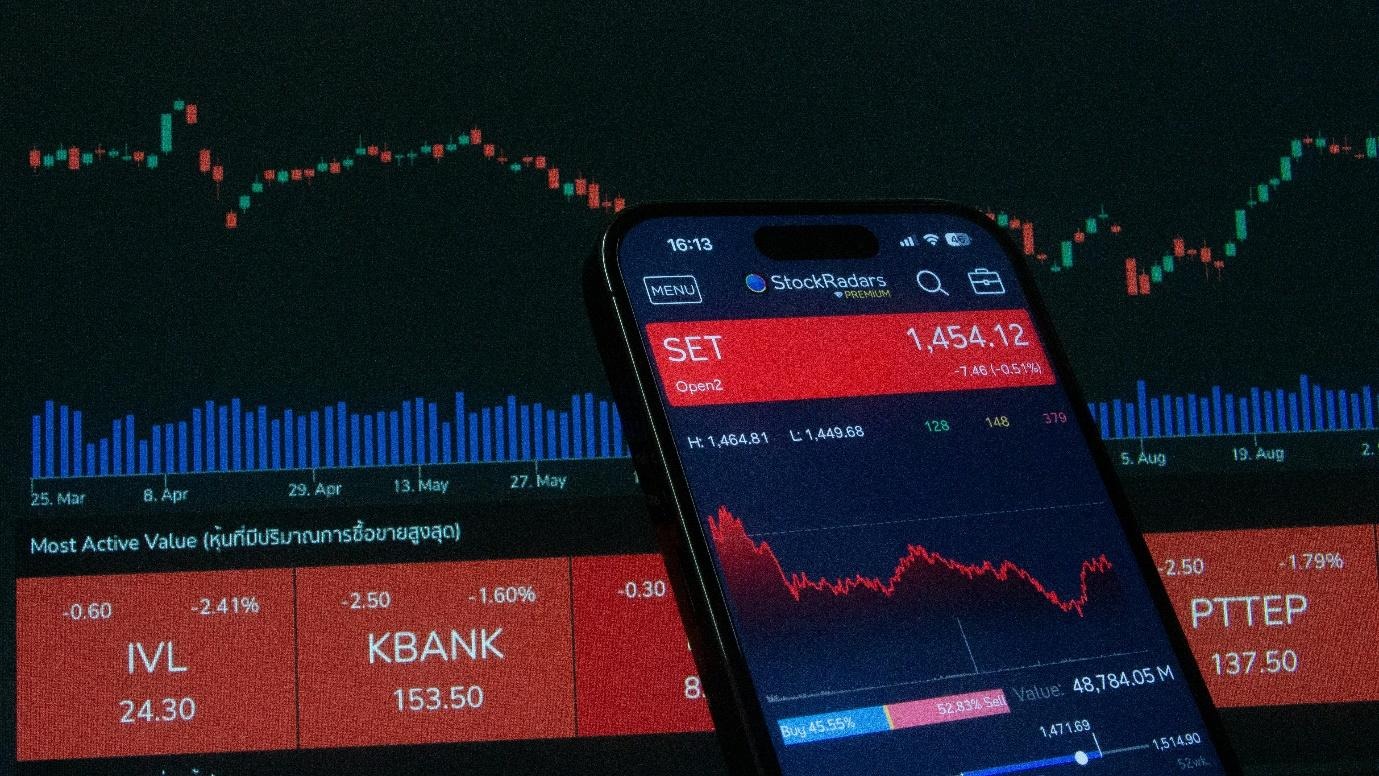
AI Stock Trading Returns: What You Can Expect in the Real World
Intro
AI stock trading returns are easy to hype and hard to verify. The cleanest public way to judge them is to look at live products that actually trade, then compare them to the S&P 500, and then ask the uncomfortable questions: how much turnover it took, what did it cost, and is the “AI” just a tech tilt in disguise. Below are two AI driven equity ETFs with official performance tables, plus research findings on what machine learning can and cannot do in markets.
AI ETF Performance Reality Check
Tables + Analysis
Table 1: Live “AI driven” equity ETF returns vs S&P 500
This table uses performance figures reported in official fund documents for AIEQ and QRFT.
What this says, bluntly: “AI” does not automatically mean “beats the index.” In the periods shown, QRFT roughly tracks the benchmark over longer windows, while AIEQ’s longer window numbers lag the benchmark in its report even though its 1 year is higher than the benchmark in that same document.
That gap is your reminder that timeframe and benchmark choice matter, and that live results can look very different depending on market regime. For context on how these results compare to broader retail performance, see our analysis of what percent of retail investors beat the S&P 500.
Table 2: The hidden driver of AI strategy returns: turnover, fees, and trading frictions
These are the things that quietly decide whether a small edge survives in the real world.
Decision takeaway: If an AI strategy trades a lot, your first question should be “what is the all in cost of turnover,” not “what model did they use.” Portfolio turnover is basically the silent tax on a strategy.
Table 3: What academic research suggests about machine learning and returns
This is not about “accuracy.” It is about whether ML adds economic value out of sample after realistic assumptions.
What to do with this: Research supports that ML can help, but it also screams that robustness is the whole game. A model that wins in a backtest can still lose live if costs, regime shifts, and competition are ignored. These same cost-and-friction challenges apply broadly; for instance, average hedge fund returns show that even professional managers struggle to consistently beat simple benchmarks after fees.
Table 4 (Illustrative): How turnover can erase a small edge
Illustrative example only, not real fund results. This shows why high turnover strategies need a big edge to net out.
Why this matters: AIEQ’s reported turnover is extremely high, so even small changes in costs can swing outcomes. QRFT’s turnover is lower, which makes it easier for any signal to survive.
Conclusion
If you are judging AI stock trading returns, start with live evidence, not marketing. The public data shows AI driven ETFs can perform well in some windows and lag in others, and the difference often comes down to costs and turnover rather than model buzzwords.
Key Takeaway: The best AI strategy is not the one with the fanciest model. It is the one with a repeatable edge that survives fees, turnover, and real market friction.